TEAROA
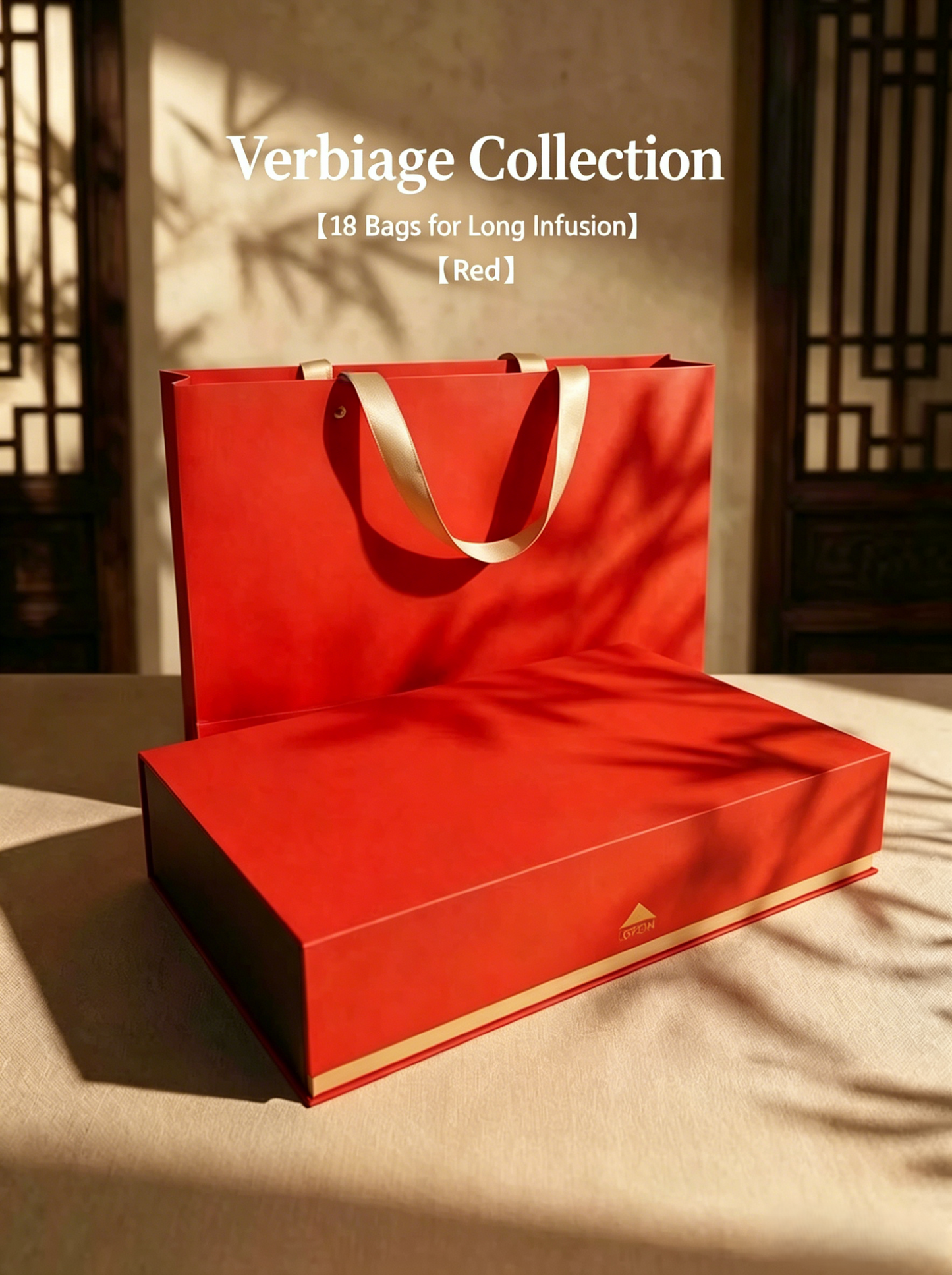
Keemun Hao Ya Black Tea | Luxury Gift Set
Couldn't load pickup availability
Summary
Origin: Qimen County, Huangshan City, Anhui Province, China
Season: Spring Tea
Harvest Date: June 16, 2025
Dry Leaf: Dark black, glossy buds topped with golden tips
Aroma: Light floral, chocolate
Liquor: Bright orange-red
Taste: Bold but smooth, fruity taste with a lingering, mellow aftertaste
Tea Bush: C. sinensis cv. Keemun Zhuye
Tea Garden: Baita Tea Garden
Caffeine: less than 40% of a cup of coffee
Storage: Store in airtight, opaque packaging; in cool, dry place
Shelf Life: 36 Months
Share

Details
Rated as the best of Chinese black teas, Keemun is an absolute delight to drink. TeaVivre’s premium Keemun Hao Ya represents the highest quality of this tea generally available to the public, and has a taste, aroma, and appearance that more than justify its reputation as one of the best black teas in the world. Handmade in Keemun’s birthplace of Qimen, this tea is truly astounding.
Recommend Brewing Method
-
Cup Method
Teacup: 12oz / 355ml
194℉ / 90℃
2 Teaspoons / 3g Tea
Brewing time: 2 - 5 mins -
Chinese Gongfu Method
Gaiwan: 3.8oz / 110ml
194℉ / 90℃
5g Tea
7 steeps: rinse, 5s, 5s, 5s, 10s, 15s, 25s, 50s
Rinse time is around 5 seconds
Tea Garden
Baita (which means White Tower) Tea Garden (白塔茶园) is located in Keemun County, the corn-producing area of Keemun black tea, in Huangshan City. There are more than 9,225 acres of ecologically-rated tea gardens here, including almost 3,000 acres of organic-certified gardens.
Tea Farmer
Mr. Lin has been a professional tea farmer for over forty years. Born to a traditional tea family, he has been deeply ingrained in the culture since childhood, and ended up building his own tea factory. As his factory gradually grows, he continually attempts to seek a common development between the tea enterprise and the tea farmers themselves.
Mr. Lin believes that the hardest factor to overcome is the weather: if leaves suffer from bad weather, then the result will be a reduced yield with lowered quality. During cold weather the leaves are covered with straw in order to prevent them from frosting; this is one thing that Mr. Lin has learned throughout his years of experience.
His first priority is to strictly control his products’ quality and ensure its reputation. Mr. Lin, together with his tea factory, will continue to provide high-quality tea and regularly increase the number of factories that do so.
Tea Farmer
As the fifth generation inheritor of the national non-material cultural heritage of Keemun black tea, Mr. Wang has over 30 years of experience in both growing and crafting Keemun black tea. Through these years he has devoted himself to the study and upgrading of the tea’s quality, with the aim of providing tea lovers with healthier and safer products. Mr. Wang once said to us that he still expects in the future to bring more and better teas to tea lovers.
Origin
Located south of Anhui and west of Huangshan, Keemun is the historic hometown of Keemun black tea. 90% of the land is mountainous, averaging 600m. Tea gardens grow in valleys at 100-350m, with 80% forest coverage. Large day-night temperature differences, cloudy climate and short daylight create ideal tea-growing conditions.
Tea Bush
Keemun Zhuye (槠叶) has a composition consisting of 31.11% polyphenols, 14.66% catechin, 5.42% amino acids, and 44.72% water extractives. This is a nationally-recognized species and is suitable for making black and green teas; Kung Fu black tea, which is made from this species, is tight and dark and has a long-lasting aftertaste and a unique fruity floral flavor, referred to specially as “Keemun Fragrance”.
History
Keemun has a short (by Chinese standards) history, beginning in 1875 in Qimen. An unsuccessful bureaucrat by the name of Yu Gancheng decided to quit working for the government and instead try his hand at making tea. Due to the great demand and high prices for black teas at the time, he travelled to Fujian to learn how to make them; after returning to Anhui he introduced black teas to the area, which up until then had only produced green teas. Over the next decade or so, the processes and the teas themselves continuously improved, culminating in 1883 with what is now known as Keemun black tea. The amazing taste and aroma of this tea, combined with skillful marketing, resulted in this tea becoming an instant hit and led to it being in huge demand overseas in England and in the US. It won the international prize in the 1915 Panamanian World Expo.